
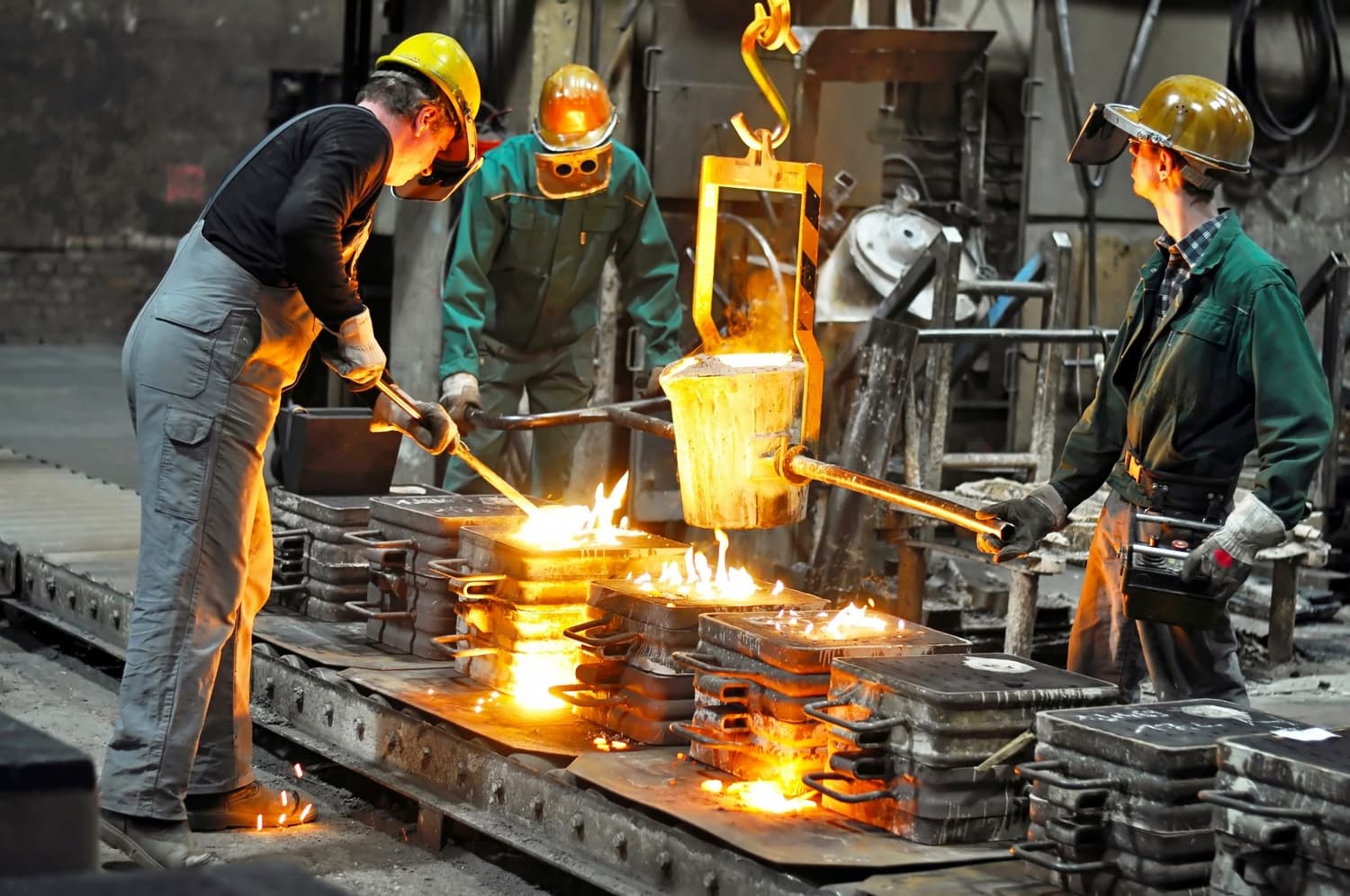
The invisible morning spike
Every die casting plant knows the rhythm: furnaces ramp, compressors kick in, and the incomer meter registers a spike before the first pour. What plant heads rarely see is how much of that spike is avoidable overlap, not production demand.
What the data shows
Across automotive-adjacent die casting units we've studied, 15–22% of billed maximum demand traces to the first 30–40 minutes of shift start. The pattern is predictable:
Three furnaces pre-heating simultaneously
Holding compressors running before moulds are staged
Quench and utility loads starting on a fixed clock, not production schedule
From observation to prescription
The fix isn't a capital project. It's sequencing:
Map ramp curves against actual pour timestamps from MES or manual logs
Stagger pre-heat windows by 8–12 minutes per furnace
Alert supervisors when holding load exceeds baseline with zero scheduled pours
Prescriptions in rupees, "stagger Furnace 2 by 10 minutes, save ₹1.2L/month in demand charges", change behaviour faster than kWh dashboards.
What to measure next week
Incomer kW at 15-minute intervals for first hour of each shift
Furnace ramp start times vs first pour time
Compressor run hours before first production signal
If shift-start overlap exceeds 20 minutes daily, you're likely leaving ₹4–8L/month on the table at typical HT tariff bands.
Bottom line
Shift-start isn't an operations nuisance. It's a margin lever hiding in your incomer data. Quantify it before the next tariff revision makes it expensive to ignore.