Stamped Energy
Molten metal pour in an automotive die casting plant

Automotive

Where utility cost hits margin on every OEM price-down

Die casting, forging, heat treatment, rubber moulding, prescriptions tied to furnaces, compressors, and shift-start MD, verified on your bill.

Energy challenges

Utilities are 12–18% of operating cost, and rising every tariff revision

Furnaces, compressors, and heat treatment run whether parts are in the press or not. Visibility stops at the incomer meter; the bill explains nothing asset by asset.

12–18%

Of operating cost linked to energy

Typical for process-intensive auto component suppliers

50–60%

Energy outside direct production control

Auxiliaries, holding loads, and startup overlap

20–30%

Lost to operational variability

Shift starts, idle windows, and uncoordinated startups

Where lakhs leak

Typical savings areas in auto component plants

Select a process area. Figures are reference ranges from comparable plants, your pilot replaces them with verified numbers.

01 · Selected area

Press shop & body components

Stagger press and auxiliary startup to avoid simultaneous MD spikes. Zero-investment sequencing prescriptions plus ROI-ranked capital actions.

Est. monthly savings₹1.5–3L

What Stamped delivers

From plant signals to verified savings

Connect without retrofit

Meters, SCADA, PLCs, and utility bills into one time-aligned graph, Modbus, OPC-UA, MQTT.

Prescriptions, not dashboards

What to change, why, who owns it, and ₹ impact, prioritized for your supervisors.

WhatsApp-native execution

Actions reach shift leads with open → done tracking, not another portal login.

Verified ₹ ledger

Potential vs. realized savings with M&V against production-adjusted baselines.

Automotive processes

Four processes where the bill hurts most

Die casting, forging, heat treatment, rubber moulding, expand each for typical leaks and how Stamped addresses them.

Molten metal die casting operation in an automotive supplier plant

High-pressure die casting cells where melting, holding, and auxiliary loads create simultaneous demand at shift start and leak rupees through idle holding.

Typical challenges

  • Melting and holding furnaces ramp together at shift start
  • Compressors run for core cooling while cells idle between shots
  • SEC varies with shot rate but baselines ignore production mix

How Stamped helps

  • Production-normalized SEC baselines per cell and shift
  • Prescriptions to stagger furnace pre-heat and compressor staging
  • WhatsApp alerts when holding load exceeds adjusted baseline

8–15%

Typical SEC improvement range

₹2–5L

Monthly MD / demand charge savings

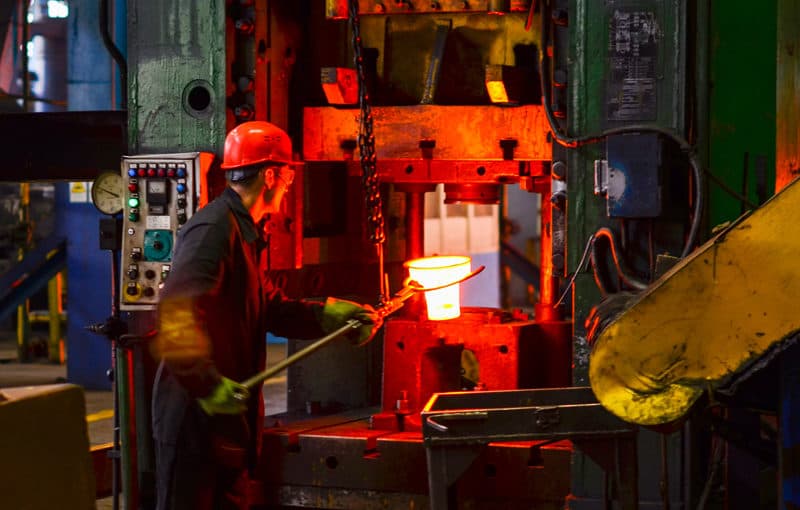
Industrial forging press in a metal components factory

Forging hammers and press lines with extreme demand spikes, power-factor penalties, and production-linked SEC that passive monitoring never explains.

Typical challenges

  • Hammer and press startups overlap with utility baseload
  • Maximum demand charges from short, high-kVA cycles
  • Shift handovers leave auxiliaries running without output

How Stamped helps

  • Cycle-aware anomaly detection on hammer and furnace loads
  • Prescriptions for startup sequencing and idle auxiliary shutdown
  • Verified savings ledger tied to adjusted production baselines

12–22%

MD / demand charge reduction potential

₹3–8L

Monthly energy cost reduction

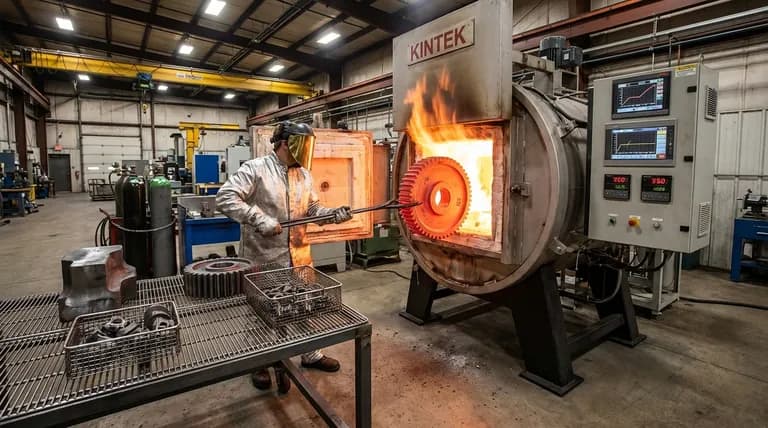
Heat treatment furnace bay in an automotive components plant

Carburizing, induction, and batch furnaces where setback gaps, weekend holding, and tariff windows determine whether heat energy converts to shipped parts.

Typical challenges

  • Furnaces held at temperature through breaks and low-load windows
  • Weekend holding losses with no production scheduled
  • Batch timing misaligned with off-peak tariff periods

How Stamped helps

  • Furnace-level baselines with batch and shift context
  • Setback and hold-time prescriptions with ₹ impact per furnace
  • Track open → done on furnace tuning actions via WhatsApp

15–25%

Holding loss recoverable

₹1.5–4L

Monthly tariff-window savings

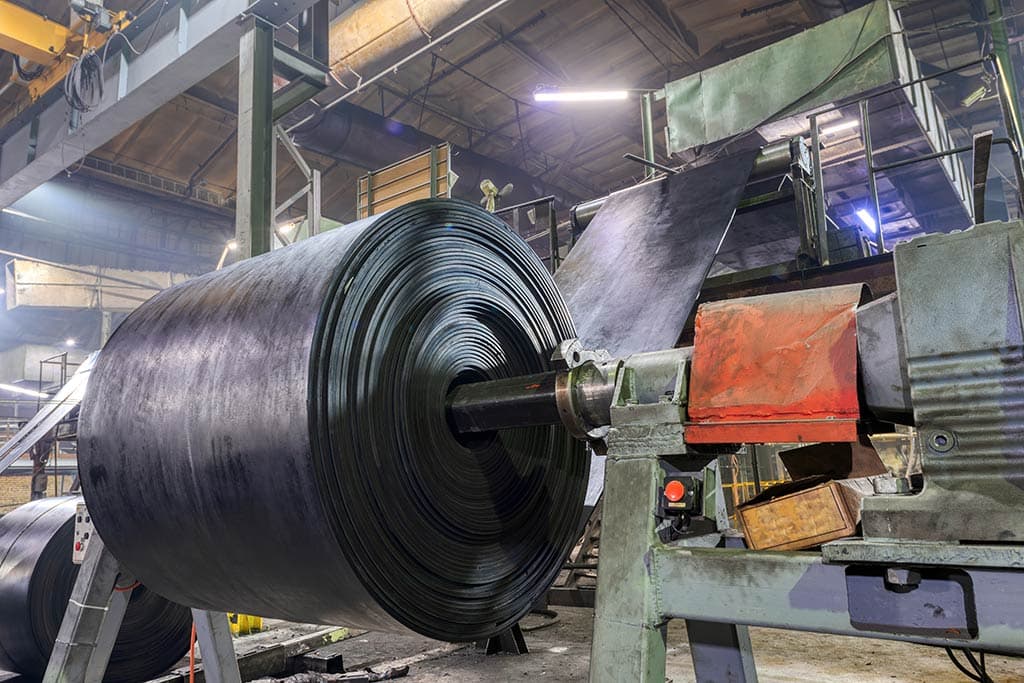
Rubber moulding and automotive polymer components production

Injection and compression moulding lines where curing cycles, steam or hot-oil systems, and compressed air leaks inflate SEC between batches.

Typical challenges

  • Curing timers and press heat run through planned downtime
  • Compressed air leaks masked by overall plant load
  • Batch changeovers leave mould heaters fully on

How Stamped helps

  • Per-line curing SEC normalized by parts produced
  • Leak and idle-load prescriptions with supervisor routing
  • Closed-loop verification on realised ₹ per line

5–12%

Compressed air system savings

₹1.2–3L

Monthly curing & idle-load savings

What you gain

Outcomes your plant head and CFO will ask for

MD spikes explained asset by asset

Shift-start overlap, simultaneous furnace ramp, compressor idle, tied to monthly rupee impact, not plant-wide kWh.

SEC held within shift bands

kWh per unit output tracked by process and shift, so drift shows up before the bill, not after.

Maintenance tickets before breakdown

Compressor inlet filter degradation, furnace holding anomalies, flagged when specific power drifts, not when the motor fails.

Verified ₹ ledger quarter over quarter

Potential vs realised savings tracked, defensible for OEM energy audits and internal cost reviews.

Next step

Map your automotive plant data

Walk through meters, processes, and estimated waste, outline a pilot in weeks.